Winter Warriors: Sustainable Honeybee Keeping in Cottage Grove, Oregon

Updated: Feb 19
How Mossy Oaks Farmstead Helps Our Bees Survive the Snow, Wind, and Strange Willamette Valley Weather

Introduction — Bee Prepared or Bee Plunged?
At Mossy Oaks Farmstead, we like our tea hot, our honey golden, and our honeybees thriving — even when Mother Nature throws a surprise rain-snow mix in February. Cottage Grove’s location in Oregon’s Willamette Valley gives us gorgeous springs and fertile summers, but winter can feel like a marathon with no finish line in sight. Hard frosts, windy days, and low flower availability make this season a true test of sustainable honeybee husbandry.
Winter may not be the ideal time for picnics or blackberry picking (those flowers know the drill), but it is when beekeepers like us step up big-time. After all, healthy bees in January mean healthy hives in April — and that means better honey, better pollination, better crops, and stronger connections with our Cottage Grove community.
The Winter Challenge: Why Bees Need Extra TLC
Bees are wonderfully resilient, but unlike us, they don’t wear wool socks and sip cocoa by the fire. Here are the key winter hurdles they face here in the Willamette Valley:
1. Limited Food Resources
From late fall through early spring, there are few nectar sources available — which spells trouble for hungry honeybee colonies. Flowers essentially take a seasonal vacation. Without enough food, hives can weaken, queens stop laying eggs, and bees can starve even during “mild” Valley winters.
What we do at Mossy Oaks Farmstead:
Regularly check hive food stores
Supplement with sugar patties
Offer reserve honey frames
Sustainable Strategies That Work
Winter beekeeping doesn’t have to be about crossing fingers and hoping for spring. At Mossy Oaks Farmstead, we combine practical approaches with sustainable values that help our bees endure — and flourish.
2. Supplemental Feeding Methods
With natural forage limited, supplemental feeding becomes crucial:
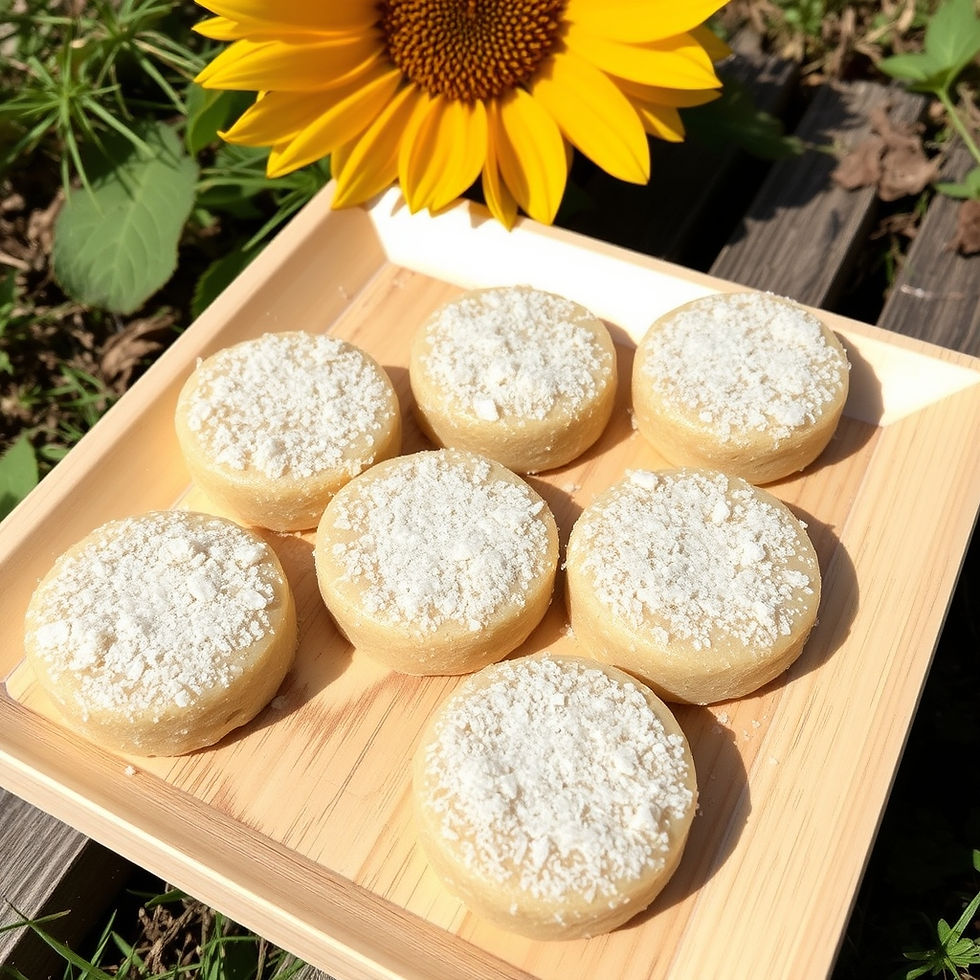
Sugar Patties: Easy for bees to consume, especially when capped honey is scarce. We craft ours with care — no mystery syrups here!
Protein Supplements: Light protein boosts help our bees maintain adult strength and support early brood development.
Feeding Placement: Positioning food where the bees naturally cluster reduces stress and heat loss.
Humorous truth: if bees had Yelp, they’d give bad reviews to beekeepers who don’t keep adequate winter food on hand.
3. Hive Insulation & Windbreaks
Those Willamette Valley winds might be great for drying figs, but winter? Not so much. Strong gusts steal warmth faster than honey disappears during a tasting event.
Our Solution:
✔ Careful monitoring of weather conditions and temperatures
✔ Add insulation boards above inner covers
✔ Create natural windbreaks
It’s like giving your colony a cozy sweater — and trust us, bees appreciate it.
4. Ventilation Balance
This sounds simple — but it’s an art. Too much airflow and cold drafts chill the cluster. Too little and moisture builds, leading to condensation that can drop onto bees and chill them to the bone.
At Mossy Oaks Farmstead, we monitor each hive’s moisture like a chef watches soup simmer — carefully and constantly.
Family, Community & Sustainable Values
Bee caring isn’t just about hives — it’s about people.
Family at the Heart
From our family learning to “bee-balance” hive frames, to rainy-day sugar patty mixing sessions, winter beekeeping at Mossy Oaks is always a family affair. We instill in our family the same values we bring to the apiary: respect, patience, curiosity, and responsibility.
Engaging the Community
We engage with the Lane County Beekeeper’s Association, answer beekeeper questions at the Garden Club meetings, and partner with other organizations to teach pollination basics. Why? Because resilient bees mean thriving gardens, better crops, and a more abundant Willamette Valley for all.
Climate & Weather Realities in The Willamette Valley
Recent winters in our corner of Oregon have been a tad unpredictable. From surprising January warm spells to abrupt snow showers, our local weather keeps bees and beekeepers on their toes!
Warm Spells: Can trick bees into breaking cluster too early.
Cold Snaps: Test hive insulation and food access.
Rainy Periods: Lock bees out of flight for days at a time.
Adaptation isn’t optional — it’s part of sustainable husbandry. At Mossy Oaks, we track Cottage Grove weather closely (yes, my phone has more weather apps than games), so our bees always get what they need — before they need it.
Why Our Honey is Special (Beyond the Sweetness)
When you buy honey from Mossy Oaks Farmstead, you’re tasting:
Carefully nurtured colonies that survive winter because we prepare them right.
Sustainably gathered honey that reflects the unique blooms of the Willamette Valley.
Authenticity and family dedication poured into every jar.
We aren’t mass producers. We are hobbyists turned stewards — with deep respect for bees and the land.
Bee Smart. Bee Prepared. Bee Connected.
If this winter has taught us anything, it’s that honeybees — like people — thrive with support, nourishment, and community. At Mossy Oaks Farmstead, we believe responsible honeybee keeping isn’t seasonal work — it’s a year-round commitment built on heart, humor, and hard-earned experience.
Call to Action — Let’s Grow Healthy Hives Together!
Ready to support sustainable beekeeping or stock up on delicious Mossy Oaks honey?
Visit our online store or subscribe to the Lane County Bee Keepers Association newsletter for seasonal tips.
Stay warm, stay sweet, and let the bees do their thing!

Comments